Atari Casino Metaverse
The crypto reaches the contract. The UX never reaches the table.
The Problem
Most blockchain casino projects ship the wager and lose the player at settlement. The smart contract works. The wallet connects. The game logic runs. And then the seam between Web3 and the actual gameplay experience breaks — a fifteen-second pause for confirmation, a popup the user doesn't recognize, a reconciliation step that looks like a system error. The player closes the tab. The contract sits on-chain having processed a wager nobody enjoyed placing.
The teams that ship blockchain casino games to production aren't the ones who built the smart contract. They're the ones who closed the loop between wallet connection, in-game wagering, real-time multiplayer state, and on-chain settlement — and made it feel like a single experience.
That's the case AlgoCoder was hired to build.
What we built
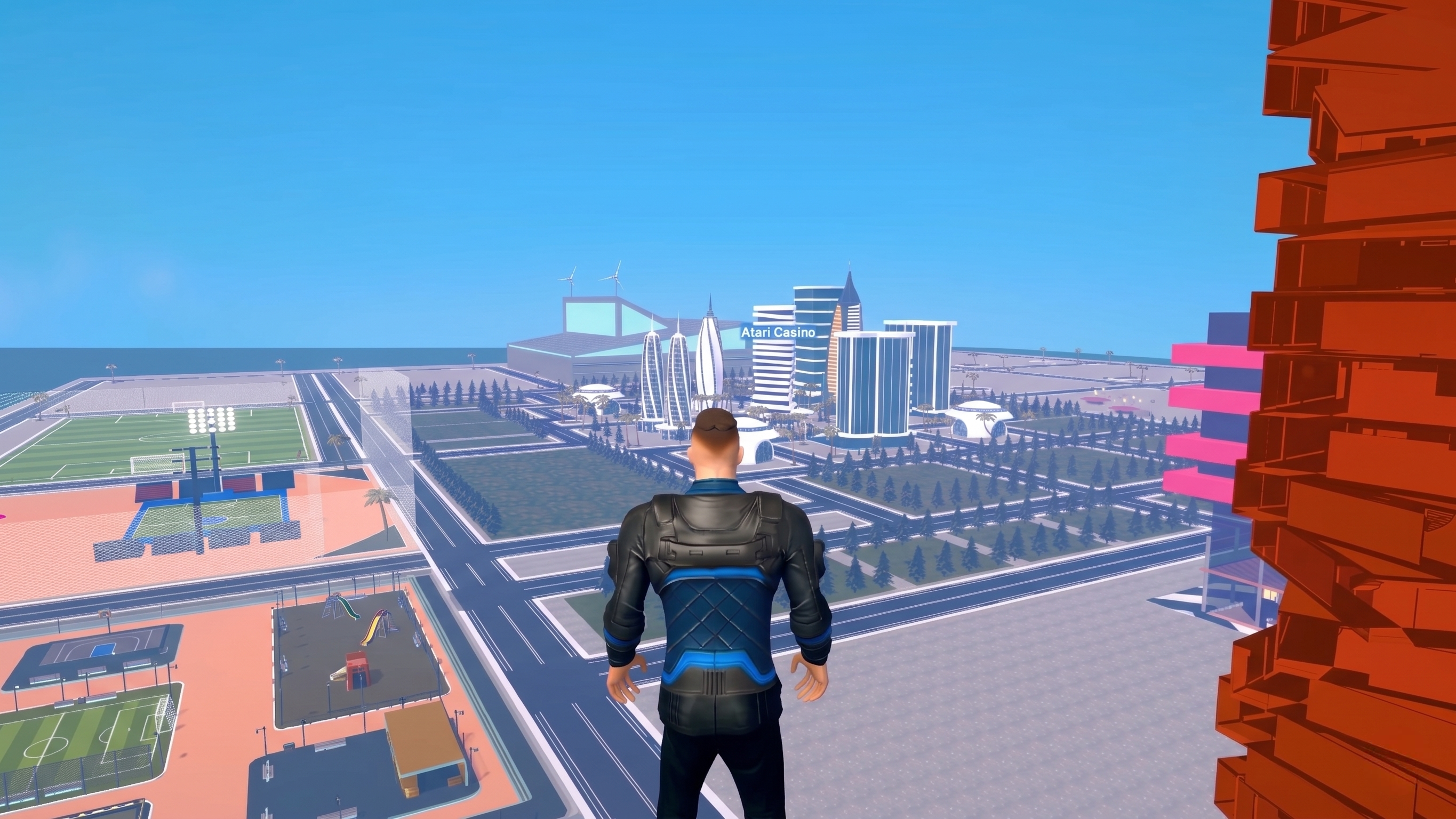
The Atari Casino Metaverse is a 3D city environment hosting live multiplayer casino games — roulette, blackjack, poker, slots — with a fully embedded NFT marketplace and end-to-end crypto wallet integration. Players connect a wallet at the entry point, walk into the casino in real-time 3D, sit down at a table, place wagers in cryptocurrency, play against other live players, and settle on-chain — all without leaving the environment.
Five integration layers had to work as one system:
Wallet connection layer — A player arrives at the casino and connects their multi-chain Atari Token Wallet (the wallet AlgoCoder built separately as part of the same Atari ecosystem engagement). The connection happens at the city entry point, not at the table. By the time a player sits down at roulette, the wallet handshake is complete and the cryptographic identity is bound to the in-game session.
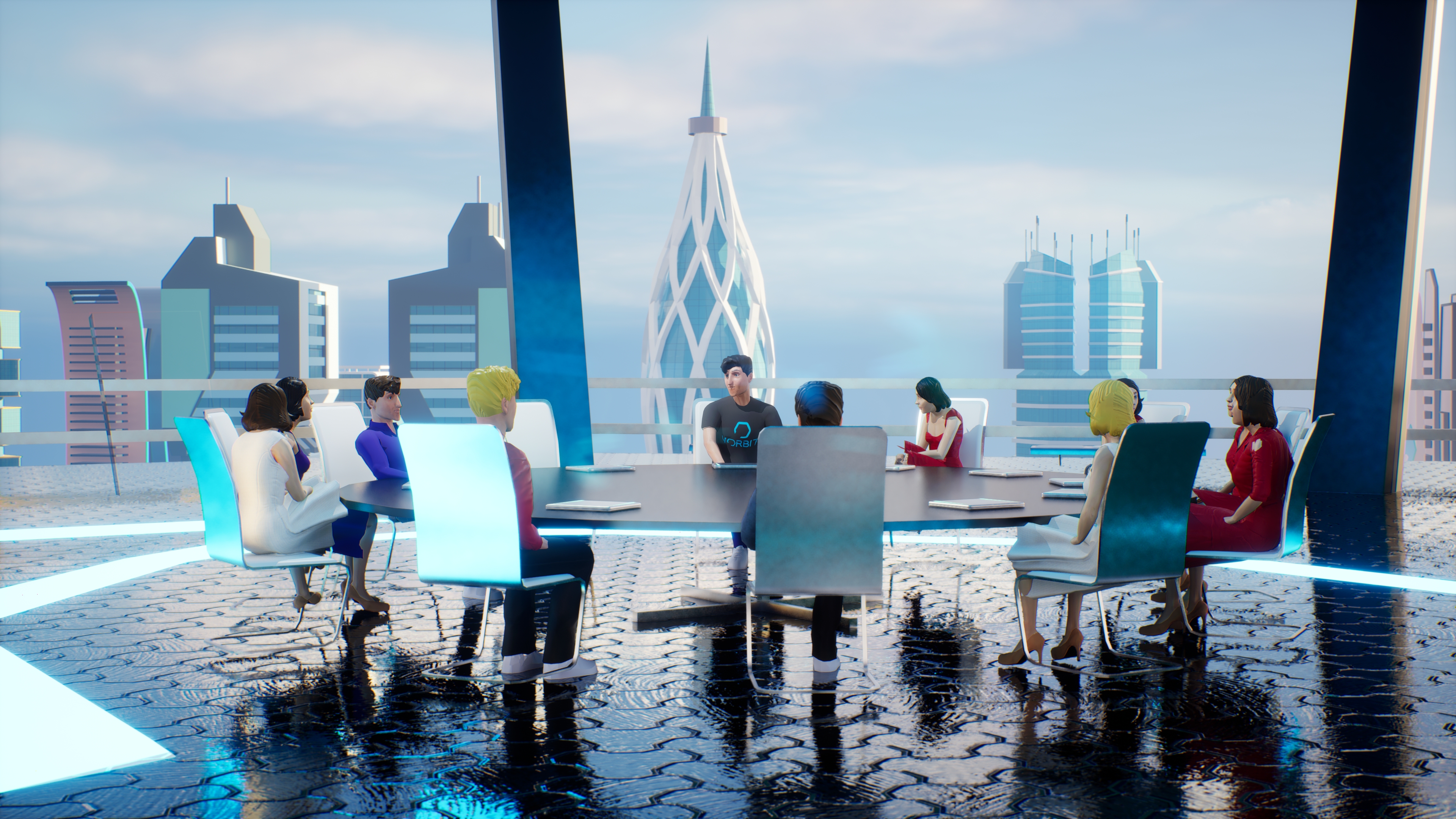
Real-time multiplayer state — Casino games are inherently multiplayer. Roulette has multiple seats. Poker tables hold up to ten players. The state synchronization layer keeps every player's view consistent — the wheel position, the dealer's actions, the cards visible — across the entire table at sub-second latency.
In-game wagering with on-chain settlement — A player places a wager. The wager is signed by the wallet, broadcast through the casino's transaction layer, and settled on-chain with the result of the game. The settlement is engineered to feel instantaneous to the player — confirmations are surfaced in the gameplay UI, not in a popup that breaks immersion.
Embedded NFT marketplace — The NFT marketplace lives inside the metaverse, not adjacent to it. A player who wins a unique asset (or wants to acquire one) browses, bids, and buys without leaving the casino. The marketplace surface uses the same wallet handshake as the gameplay layer.
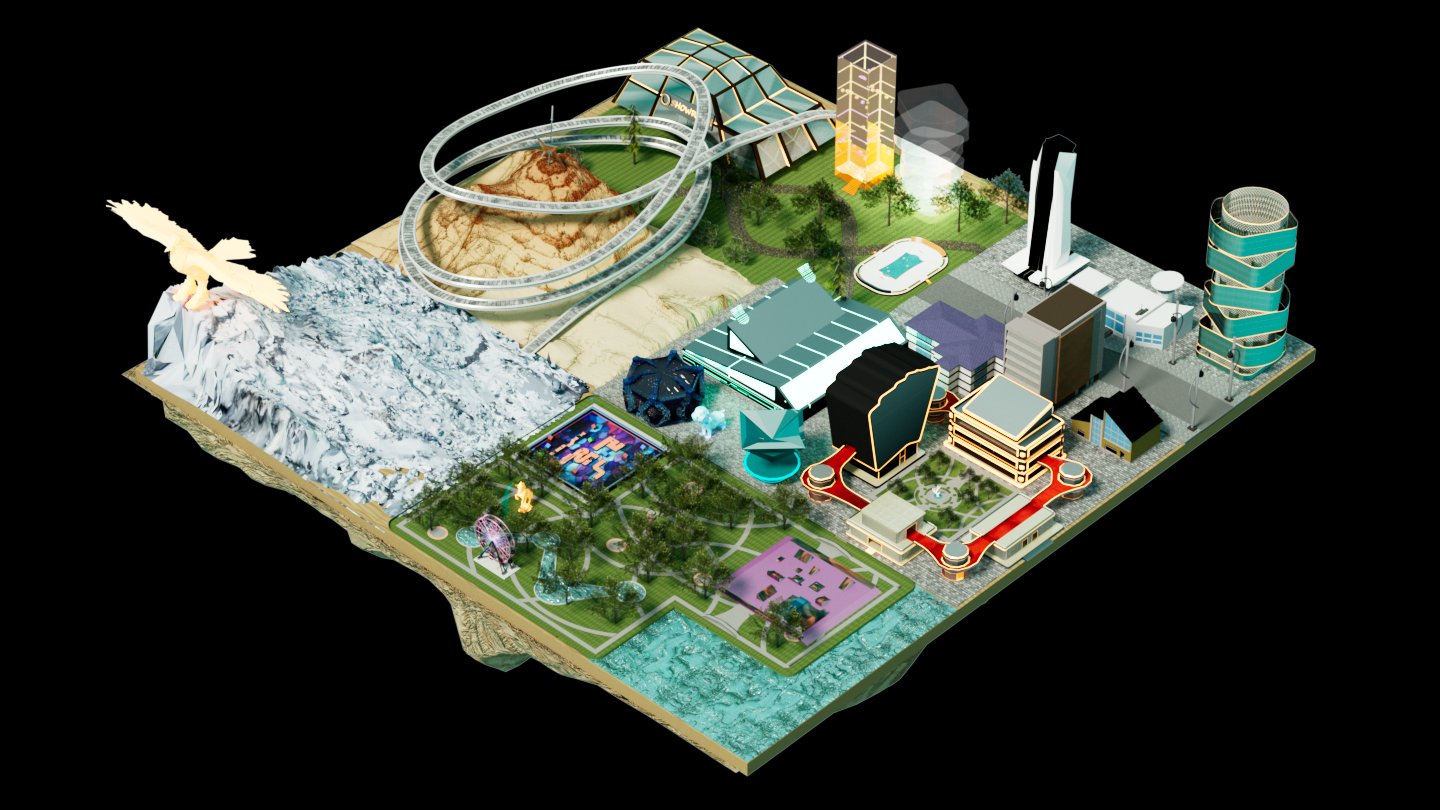
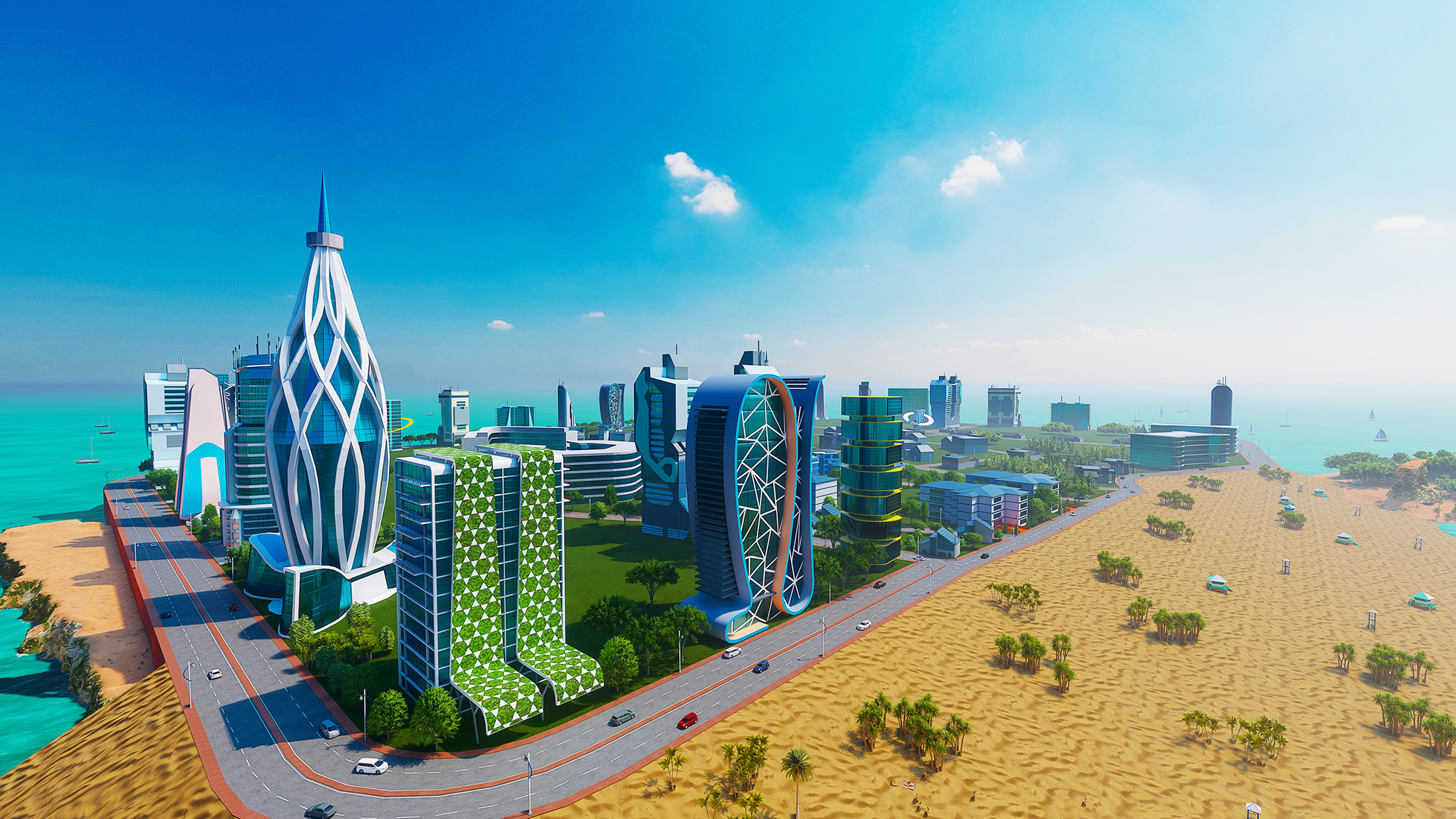
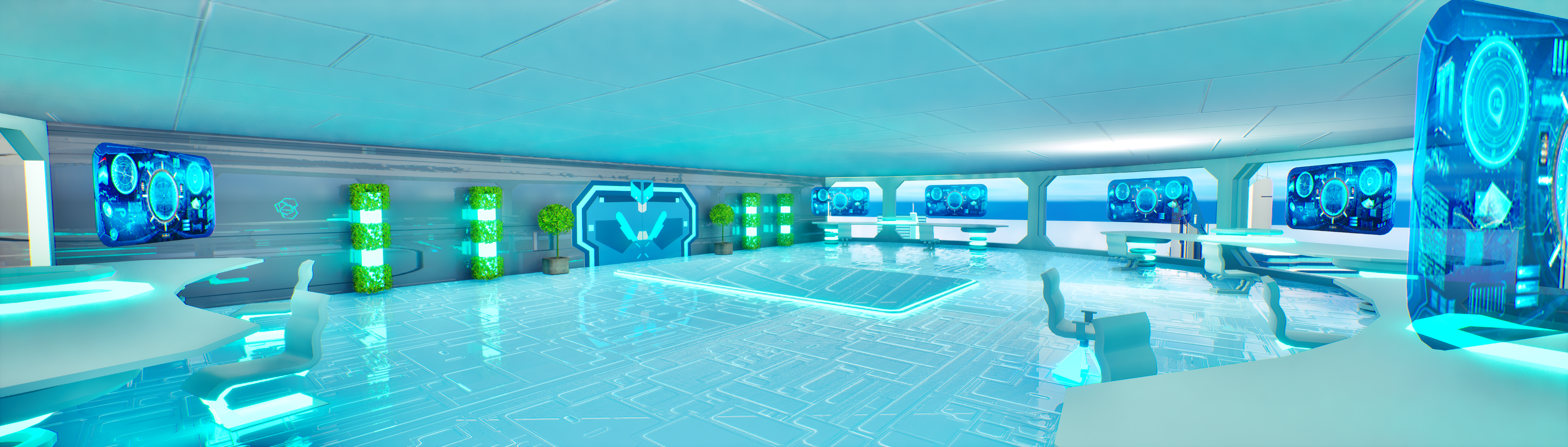
3D city environment — The casino isn't a single room. It's a navigable city block with exterior architecture, interior gaming floors, multiple game rooms, and ambient detail engineered to make the casino feel like a destination rather than a UI shell around a smart contract.
The promotional trailer
A three-minute promotional trailer was produced for the launch — cinematic capture of the casino exterior, interior gaming floors, live multiplayer poker table, and the NFT marketplace surface. Source files retained. The trailer was used for the public launch communications and remains the highest-fidelity visual reference for the engagement.
What this case proves
End-to-end production blockchain gaming. Not a smart contract demo. Not a frontend with a wallet button. The full integration loop where a player connects a wallet, places a wager on-chain, plays a real-time multiplayer game with other live players, and settles in crypto — all rendered inside a navigable 3D city environment.
The work spans four engineering disciplines that most boutique firms treat as separate practices: smart contract development (the wagering and settlement contracts), real-time game engineering (multiplayer state, latency, animation), wallet and identity engineering (the connection handshake, transaction signing flow), and 3D environment design (the city, the architecture, the gaming floors). AlgoCoder shipped all four as one engineering body of work.
Engagement framing
The Atari Casino Metaverse was delivered as part of AlgoCoder's work for the ICICB-managed Atari blockchain ecosystem — the same engagement track that produced the Atari Token, the multi-chain Atari Token Wallet, the Atari Portal at atarichain.com, the Atari Token backend and exchanges, and the Atari Token smart contracts. The casino metaverse is the consumer-facing product surface that demonstrates what the underlying token, wallet, and chain infrastructure was built to enable.
Beyond client briefs.
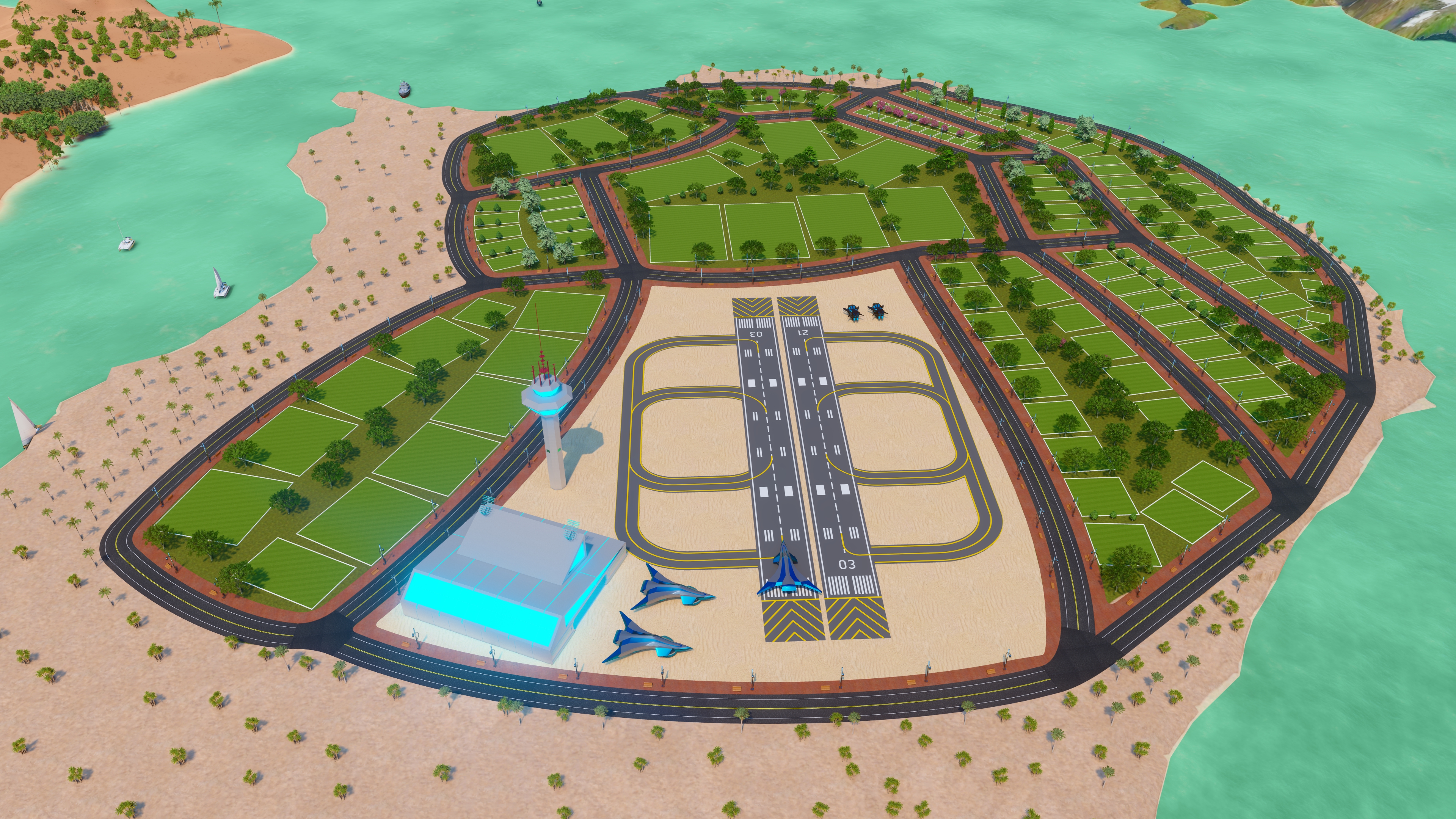
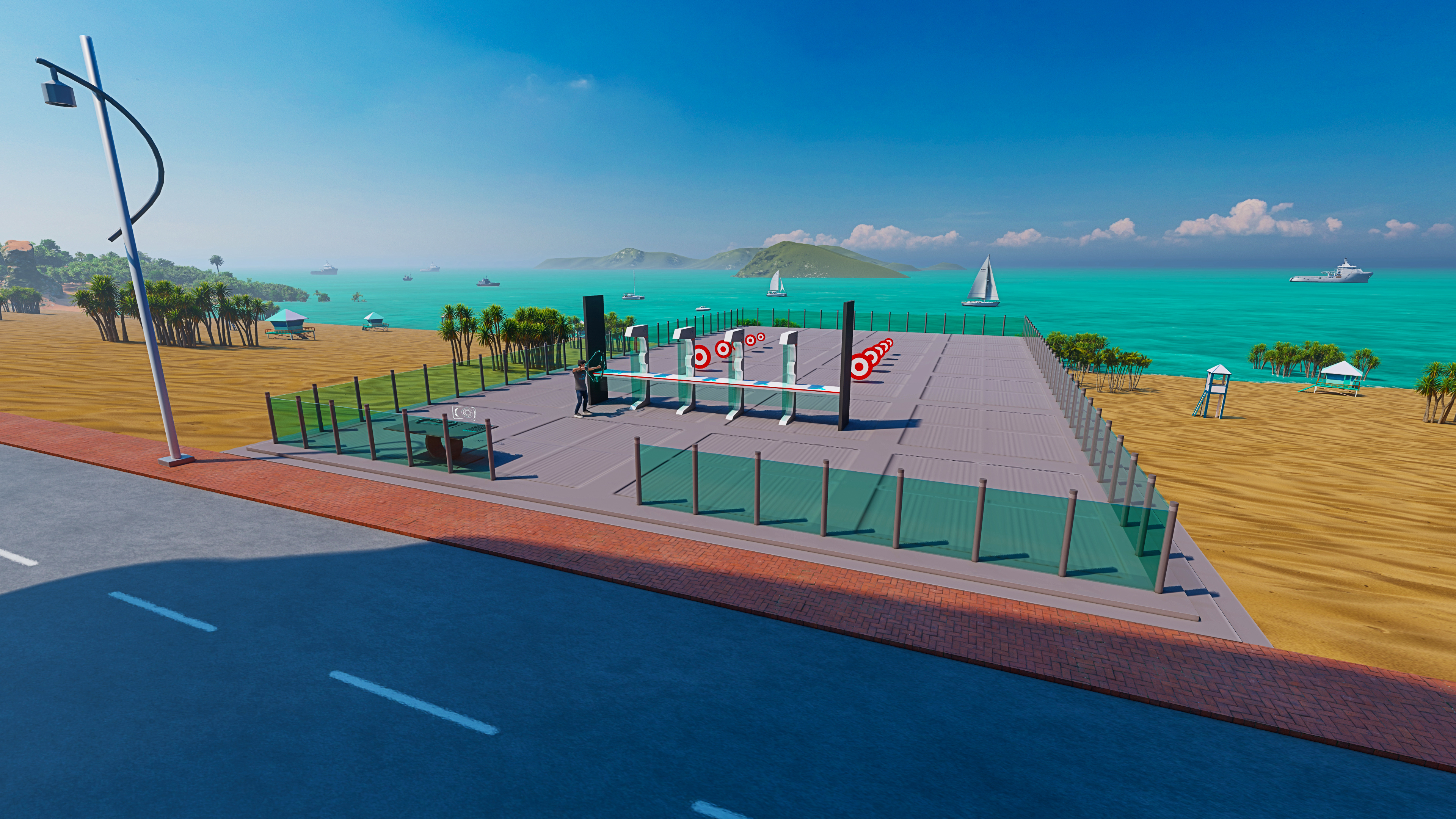
Production-grade real-time 3D environments engineered to demonstrate the depth of our metaverse capability. Renders below are capability work from the AlgoCoder engineering team — environment design, lighting systems, interactive surfaces, optimization for real-time delivery.