
A Regulated Digital Currency Platform
Launching a digital currency means shipping the token, the wallet, and the marketplace simultaneously — with regulators reading every line.
The Problem
A digital currency launch is not a token. It's a token plus a wallet plus a marketplace plus a regulatory posture that can survive scrutiny. The teams who try to launch a currency in fragments — token first, wallet later, marketplace eventually — discover that the regulatory questions they'll face on day one require the entire stack to exist, work end-to-end, and demonstrate operational coherence.
The architecture decisions made at token launch lock in the regulatory profile of the platform for years. The supply mechanics, the wallet custody model, the marketplace's KYC posture, the audit trail design — all of it has to be defensible at launch, not retrofitted in response to the first regulator's first question.
That's the engineering problem at the center of this engagement.
What we built
End-to-end production engineering for a regulated digital currency platform — from token mechanics through user-facing wallet through integrated marketplace. Four integrated layers shipped to production:
Full tokenomics design and implementation — Smart contracts handling token issuance, supply mechanics, transfer behavior, and supply schedule. The tokenomics weren't theoretical; they were engineered against the platform's regulatory framework, with supply behavior and minting rules that match the legal commitments the platform makes to its holders.
Smart contracts — The on-chain logic governing the token. Engineered with regulatory-aware patterns — controllable issuance, traceable transfers, role-based administrative access where required by the platform's regulatory profile.
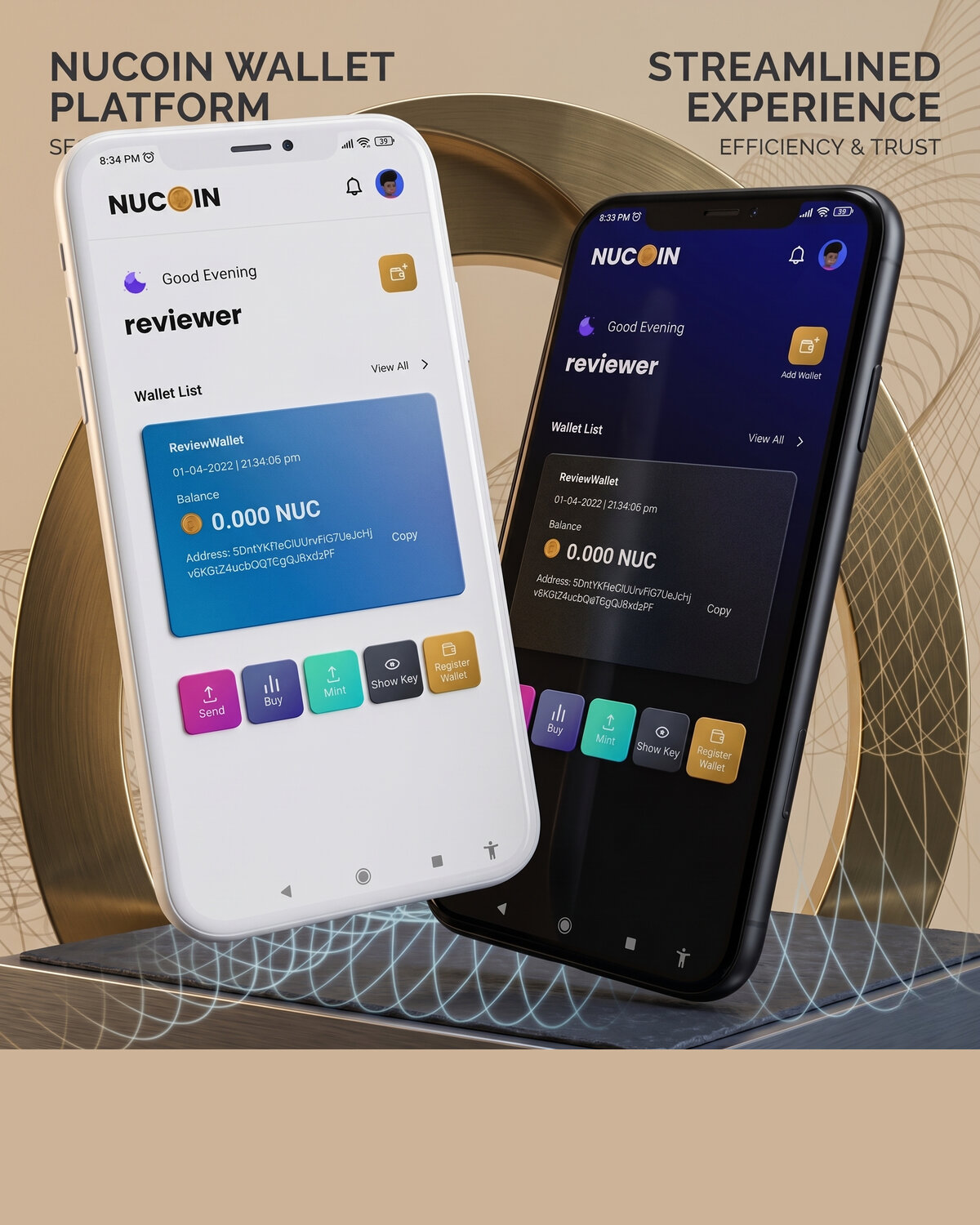
Wallet system — User-facing wallet for holding, sending, and receiving the platform's currency. Engineered with the custody patterns required by the platform's regulatory framework, including the access controls and audit trails regulators expect to see.
NFT marketplace — Integrated marketplace surface for non-fungible asset trading using the platform's currency. The marketplace was engineered as part of the same delivery stack, not as a separate product — meaning the wallet, the currency, and the marketplace operate as one coherent system.
The regulatory-aware architecture
A digital currency platform that gets to production without thinking through its regulatory posture rebuilds itself within twelve months. AlgoCoder engineered the platform with regulatory awareness from the architectural foundation:
- Audit trail design — Every state change produces a verifiable audit record. The audit log isn't a debug feature; it's a regulatory artifact engineered with the long-term scrutiny model in mind.
- Role-based administrative controls — Administrative actions on the platform are scoped, authenticated, and logged. The control model matches the governance structure the platform committed to in its regulatory filings.
- Custody model alignment — The wallet's custody pattern is engineered to match the platform's stated custody posture. There's no architectural ambiguity about who holds what.
- Compliance-ready operational surfaces — The administrative tooling and operational dashboards are engineered to surface the data regulators ask for, in the format they ask for it.
What this case proves
End-to-end digital currency platform delivery — not a fragment, not a wrapper around someone else's chain, but the full stack from tokenomics through user-facing wallet and marketplace, engineered for a regulatory environment from the architectural foundation. Production work, currently operational.
Why the entity is anonymized in case copy
The platform is operating in a regulated context where the engineering vendor's identity is held in commercial confidence. The case detail above (full-stack engineering scope, regulatory-aware architecture, integrated wallet and marketplace) does the credibility work. The platform's identity is held back at the platform's request.